
Dandelion: The Humble Herb with Powerful Health Benefits
SimplyLila.com articles may contain affiliate links, and the information provided is for educational and informational purposes only. Please read the full disclosure HERE.
Most of us spent some part of our childhood blowing dandelion clocks into the wind and watching the seeds drift away. It’s one of those small, unhurried childhood rituals that you don’t think twice about until you’re older and you realise that the plant you were playing with has been quietly, reliably supporting human health for thousands of years.
Dandelion: Why This Common Weed Deserves a Place in Your Kitchen
The dandelion, known botanically as Taraxacum officinale, is one of the most widespread plants on earth. This wild herb can be found in cracks in pavements, along roadsides, in fields and in gardens where it is routinely pulled up and discarded as a weed.
Which is a real shame, because what most people are throwing away is a complete, nutrient-dense herb with documented benefits for the liver, kidneys, digestion, and more.
This post covers everything: the history, the real health benefits, what the root versus the leaf actually does, how to use it practically, and three recipes you can make at home today.

Has Dandelion Always Been Used as Medicine?
A Plant With a Longer History Than Most Pharmaceuticals
Long before dandelion became something to spray with weedkiller, it was something to harvest with care.
In Traditional Chinese Medicine, dandelion has been documented for over a thousand years under the name Pu Gong Ying. It was classified as a cooling herb, used to clear heat, support the liver, and restore balance within the whole system.
TCM practitioners rarely used it in isolation, it was typically combined with complementary herbs as part of a formula designed to work with the body’s own regulatory processes rather than override them.
In European folk medicine, dandelion was a spring staple. After long, heavy winters, people turned to bitter herbs as a way of helping the body transition into the warmer months.
Dandelion leaves went into soups and fresh salads. The roots were dried, roasted, and brewed into drinks, especially during times when coffee was scarce or expensive.

Folk healers connected the plant with liver and digestive support not through theory but through observation. People noticed how the body responded over time, and that knowledge was passed forward.
Native American traditions used dandelion primarily for kidney support and skin conditions, with different communities developing their own specific preparations depending on what was locally available and needed.
What’s quietly remarkable is that these traditions developed independently, across cultures that had no contact with each other, and they converged on many of the same conclusions. That kind of cross-cultural agreement about a plant’s usefulness is worth taking seriously.

What Are the Real Health Benefits of Dandelion?
Every Part of the Plant Does Something Different
One of the things that makes dandelion genuinely interesting from a herbal perspective is that the root, the leaves, and the flowers each have distinct properties and uses.
Understanding the difference matters, because reaching for the wrong preparation for what you need is one of the most common mistakes people make with herbal remedies.
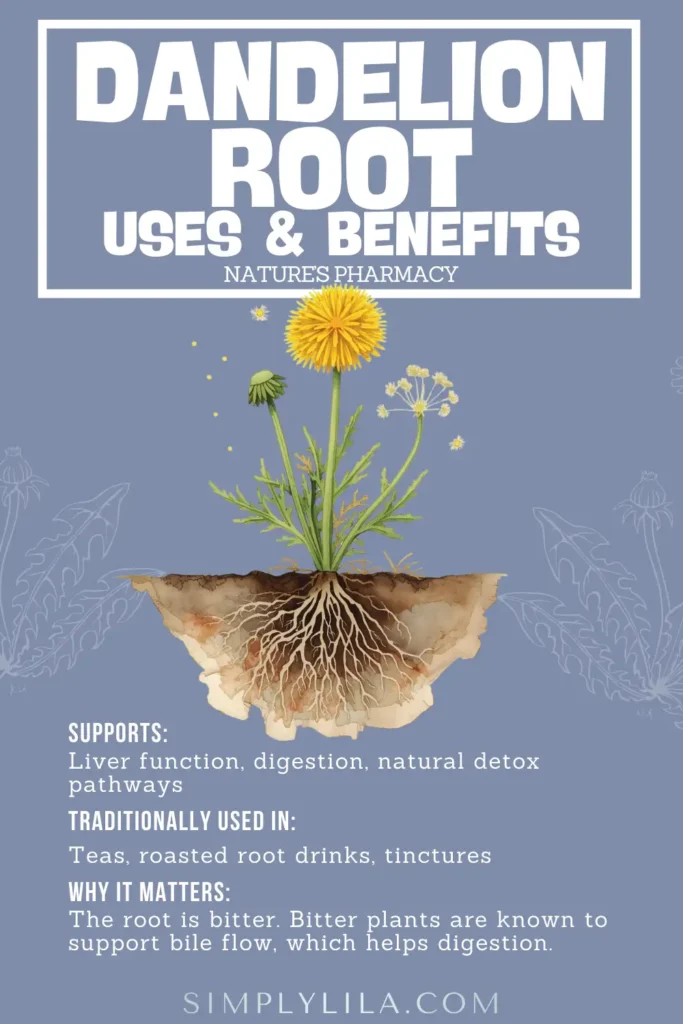
The root is where the liver and digestive support is most concentrated. Dandelion root contains inulin, a prebiotic fibre that feeds beneficial gut bacteria, alongside bitter compounds called taraxacin and taraxacerin that stimulate bile production and support the liver’s natural detoxification processes.
This is the part you want if you’re making dandelion coffee, supporting sluggish digestion, or looking to give your liver a seasonal reset.
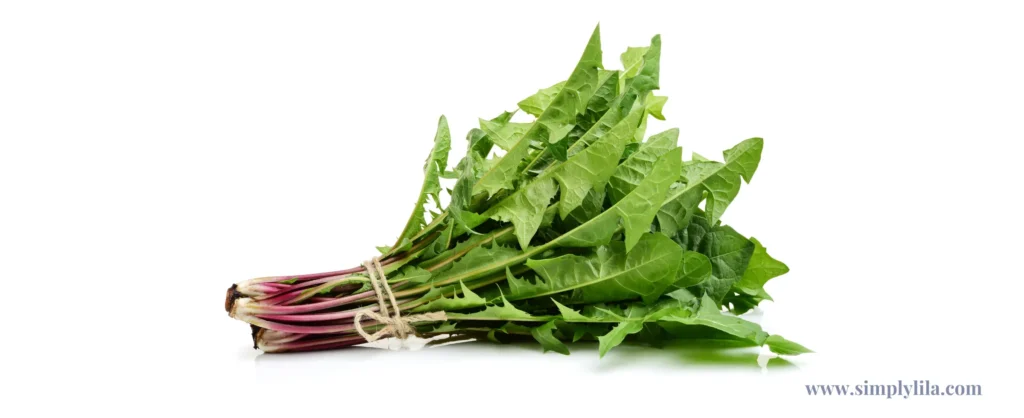
The leaves are the diuretic powerhouse. Rich in potassium, which is notable because most diuretics actually deplete potassium, dandelion leaves support the kidneys in eliminating excess fluid naturally and gently.
They’re also a meaningful source of vitamins A, C, and K, iron, calcium, and magnesium.
The leaves are what you want in salads, sautéed greens, or a leaf tea when you’re dealing with water retention or bloating.

The flowers are gentler and slightly sweet. High in antioxidants including beta-carotene and polyphenols, they’re lovely brewed as a tea for immune support and inflammation, and they’re the most approachable part of the plant for anyone who finds the bitterness of the leaves and root too much to begin with.
Liver Support That Goes Beyond Marketing Language
Dandelion root has been used as a liver tonic for centuries, and here the traditional use and modern research are actually pointing in the same direction.
The bitter compounds in dandelion root stimulate bile flow from the gallbladder, which is essential for fat digestion and the elimination of waste products that the liver has processed.
Supporting that flow regularly is one of the gentler and more practical things you can do for liver health through food.
If you’re interested in exploring a quality supplement alongside a food-based approach, Oregon’s Wild Harvest Organic Dandelion is a great option for liver support.
Skip the capsules and reach for a liquid tincture instead — just drop a few drops into water or juice and you’re good to go! These Wild & Organic Dandelion Root Extract Drops are alcohol-free, vegan, and sugar-free, making them a great option for those who want the liver-supportive benefits of dandelion root without swallowing pills or brewing tea.
If you want to read more about supporting your body’s natural detox systems through diet, my post on the benefits of seeded grapes covers another whole food with a similarly long track record in natural healing.

Digestion, Bloating, and Bitter Foods
The bitter taste of dandelion isn’t a flaw in the plant. It’s a signal, and the body knows exactly what to do with it.
Bitterness triggers a cascade of digestive responses: saliva production increases, gastric juices are stimulated, and the digestive system essentially primes itself to receive and process food more efficiently.
For anyone who regularly experiences bloating, sluggish digestion, or that heavy feeling after meals, incorporating bitter foods including dandelion leaf, root tea, or dandelion coffee is one of the most straightforward dietary adjustments you can make.
Most modern diets are heavily weighted toward sweet, salty, and savoury flavours. Bitterness has largely disappeared, and our digestion has suffered for it.
Natural Diuretic and Kidney Support
Dandelion leaf tea is one of the most effective natural diuretics available, and unlike pharmaceutical diuretics, it replenishes potassium at the same time as it promotes fluid elimination.
For anyone dealing with mild water retention, puffiness, or the kind of bloating that has a fluid component, dandelion leaf tea drunk regularly can make a noticeable difference.
One important note: if you have low blood pressure or are currently taking pharmaceutical diuretics, lithium, or any medication processed by the liver, please check with a qualified health practitioner before adding dandelion regularly to your routine.
The interaction potential is real and worth being aware of.
Nutrient Density Worth Knowing About
Dandelion leaves are, gram for gram, more nutritionally dense than many of the greens we pay premium prices for at health food shops.
They contain more beta-carotene than carrots, more calcium than milk per 100g, meaningful amounts of iron alongside vitamin C to support its absorption, and significant levels of vitamins K and B-complex.
For a plant that grows freely and is typically treated as a pest, that’s a nutritional profile worth pausing over.
If you’re looking for a high-quality daily supplement to complement fresh dandelion use, Himalaya’s 1000mg Organic Dandelion capsules are a reliable and well-standardised option.
Blood Sugar Balance
Earlier-stage research suggests dandelion may support blood sugar regulation, with some studies pointing to compounds in the root that appear to influence insulin response and glucose absorption.
The evidence here is less established than the liver and digestive research, but it’s a promising area and one worth monitoring, particularly for anyone managing blood sugar naturally as part of a broader dietary approach.

Are There Any Side Effects or Precautions to Know About?
Who Should Be Careful with Dandelion
Most people tolerate dandelion well, and herbalists and cooks have used it safely as both food and medicine for centuries. That said, a few groups should approach it with awareness rather than caution as a default.
If you have a known allergy to ragweed, daisies, marigolds, or chrysanthemums, you may also react to dandelion, as these plants share a botanical family. Start with a small amount and observe your response before making it a regular part of your routine.
If you’re pregnant or breastfeeding, speak with your midwife or healthcare provider before taking concentrated supplements or therapeutic doses. While many people eat dandelion as food without issue, researchers have not fully studied its safety in these contexts.
For anyone on pharmaceutical diuretics, lithium, or medications metabolised by the liver, the interaction potential is worth checking. The WebMD monograph on dandelion is a useful starting reference for medication interactions if you want the detail.
How Do You Actually Use Dandelion? Three Recipes Worth Making
Where to Source Your Dandelion
Before you start, a word on sourcing. Foraging dandelion from your garden or local area? It is important to make sure the plants haven’t been treated with pesticides or herbicides. It’s also worth avoiding harvesting from roadsides or areas with heavy foot traffic.
Young leaves harvested in spring before the plant flowers are the least bitter and most tender for eating fresh. I recommend harvesting roots in autumn when their inulin content peaks.
If foraging isn’t practical for you, organic dried dandelion leaf and root are widely available online and in health food shops.
How Do You Make Dandelion Tea at Home?
Dandelion tea is the most accessible way to start using this herb, and both the leaf and the flower make genuinely pleasant drinks once you know what to expect.
Leaf tea is earthy and slightly bitter, best drunk warm and plain or with a little lemon and honey. It’s the preparation to reach for when you want the diuretic and kidney-supportive benefits.
Flower tea is milder and subtly sweet, with a gentle floral quality. It’s higher in antioxidants than the leaf tea and a lovely option for anyone who finds the bitterness of the leaves too much.

DIY Dandelion Leaf Tea
One cup of fresh young dandelion leaves, or one tablespoon of dried leaf, steeped in two cups of just-boiled water for five to ten minutes. Strain, add some raw honey and lemon to taste, and drink warm. That’s it.
If you’d rather reach for a ready-made option, Traditional Medicinals Organic Roasted Dandelion Root Tea is consistently good quality and one of my go-to recommendations for anyone starting out.

What Do Sautéed Dandelion Greens Taste Like, and How Do You Make Them?
Dandelion greens sautéed with garlic and olive oil are one of those simple dishes that genuinely surprises people the first time they try them. The bitterness softens with heat, the garlic rounds the flavour out beautifully, and the result is something deeply satisfying that also happens to be extraordinarily good for you.
Young, lighter leaves are less bitter and best eaten fresh in salads. Mature, darker leaves are ideal for cooking. Mainly due to the the heat taking the edge off the bitterness in a way that raw preparation doesn’t.

Simple Sautéed Dandelion Greens with Garlic and Lemon
Take one bunch of dandelion greens, cleaned and roughly chopped. Two cloves of garlic, minced. Two tablespoons of good olive oil. One tablespoon of lemon juice or apple cider vinegar. Himalayan salt, black pepper, and optional red pepper flakes to taste.
Heat the olive oil in a large skillet over medium heat. Add the garlic and cook until fragrant, around 30 seconds. Add the dandelion greens and keep them moving for three to five minutes until just wilted but still bright green. Turn off the heat, add the lemon juice and seasoning, and serve warm.
If the leaves you have are very mature and quite bitter, blanch them! Pop them in boiling water for one to two minutes before sautéing. That will take most of the edge off.
Best pan for this recipe: A good cast iron skillet makes all the difference when sautéing greens. I recommend an affordable and healthy Lodge Cast Iron Skillet— it’s pre-seasoned, practically indestructible, and one of those kitchen staples you’ll use for absolutely everything.
Is Dandelion Coffee Worth Trying as a Coffee Alternative?
Trying to reduce your caffeine intake without giving up the ritual of a warm, earthy morning drink? Then dandelion coffee is honestly one of the most satisfying alternatives I’ve come across.
I say this as someone who was, for a long time, genuinely dependent on real coffee. The flavour is rich and slightly nutty, with none of the acidity or caffeine of conventional coffee. And the liver and digestive benefits it brings mean every cup is actually doing something useful.
The trade-off is that making it from scratch takes some planning. But once you have a batch of roasted roots prepared, it keeps for months and the daily cup takes less than fifteen minutes.

How to Make Dandelion Coffee from Scratch
If using fresh roots, harvest from a clean, untreated area and scrub thoroughly under cool running water. Chop into small pieces and either air-dry for one to two days. Alternatively dry in an oven at around 95°C for one to two hours until completely dry.
Once dry, roast at 175°C for 30 to 40 minutes, turning occasionally, until the roots are dark brown and aromatic. Let them cool completely before storing in an airtight container.
To brew, bring two cups of filtered water to a boil. Add one tablespoon of roasted root, reduce heat and simmer gently for ten to fifteen minutes. Strain into your favourite mug. Add your preferred milk, a pinch of cinnamon or cardamom, and a little honey if you like.

Make a double or triple batch while you’re roasting. Stored in a cool, dark place the dried roots will last for several months. Plus, having them ready makes the daily habit much easier to sustain.
If making your own isn’t practical right now, Original Dandy Blend Instant Herbal Beverage with Dandelion is genuinely the best ready-made dandelion coffee substitute I’ve tried. Dissolving instantly in hot water, the flavour is far closer to real coffee than most alternatives on the market.

Practical Takeaways: Simple Ways to Bring Dandelion Into Your Life
If you’re new to dandelion, here’s where to start:
Try a dandelion leaf tea before your main meal to stimulate digestion and reduce post-meal bloating. Swap your afternoon coffee for a cup of dandelion tea or “coffee” a few times weekly if you’re looking to reduce caffeine.
Add young dandelion leaves to salads alongside a good olive oil and lemon dressing. Sauté mature leaves with garlic as a simple side dish once or twice a week.
If you want a concentrated daily dose of dandelion’s liver-supportive compounds without foraging or brewing, a quality supplement like Himalaya’s Organic Dandelion is a practical alternative. Source organic wherever possible, and if foraging, always confirm the area is free from pesticides and herbicides.
If you enjoy exploring the healing potential of everyday herbs and plants, my deep dive into Black Seed Oil. Here I cover another ancient herb with an equally long and fascinating track record.

The Weed Worth Keeping
There’s something quietly subversive about dandelion. This wild herb pushes through concrete, reclaiming disturbed ground, and simply refuses to be eradicated.
It flowers in every season that allows it to and seeds itself across every available surface with absolute confidence. For centuries, people understood that kind of resilience was something to respect and work with, rather than eliminate.
We’ve spent decades trying to get rid of it, and the whole time it was sitting there offering us one of the most complete, accessible, free-growing herbs available anywhere in the temperate world.
Next time you see one, maybe don’t pull it up quite so fast.
Frequently Asked Questions About Dandelion Health Benefits
Q: What are the main health benefits of dandelion? A: Dandelion supports liver function and bile flow, aids digestion through its bitter compounds. It is a gentle natural diuretic that replenishes potassium naturally in a bioavailable form. Dandelion also provides a broad spectrum of vitamins and minerals including A, C, K, iron and calcium. Let’s not forget that there is also early promise in blood sugar regulation research. Different parts of the plant offer different primary benefits, so how you use it matters.
Q: What is the difference between dandelion root and dandelion leaf? A: The root is most valued for liver support, bile stimulation, and digestive benefits. It contains inulin, a prebiotic fibre, and bitter compounds that support detoxification processes. The leaf is the primary diuretic, rich in potassium and supportive of kidney function. The flower is gentler and highest in antioxidants. All three are edible and beneficial, but for different purposes.
Q: Is dandelion tea good for bloating? A: Yes, both the leaf and root tea can help with bloating, though they work differently. Leaf tea supports fluid elimination through the kidneys, which addresses the water-retention component of bloating. Root tea stimulates bile and gastric juices. That, in turn, supports more efficient digestion and reduces the kind of bloating that comes from sluggish digestive function. For most people, the root tea is the better starting point for general digestive bloating.
Q: Can dandelion interact with medications? A: Yes. Dandelion can interact with pharmaceutical diuretics, lithium, and medications metabolised by the liver. If you are taking any of these, consult a qualified health practitioner before adding dandelion supplements to your routine. Eating dandelion as a food in normal culinary amounts is generally considered safe for most people.
Q: Is it safe to forage dandelion yourself? A: Yes, with a few important checks. Only forage from areas you are certain have not been treated with pesticides, herbicides, or chemical fertilisers. Avoid roadsides and heavily trafficked areas. Young spring leaves before flowering are the most tender and least bitter. Roots are most nutritionally potent when harvested in autumn. If in doubt about identification or safety of a foraging spot, source dried organic dandelion from a reputable supplier instead.
Q: What does dandelion coffee taste like? A: Roasted dandelion root coffee has a rich, earthy, slightly nutty flavour with a natural sweetness that deepens during roasting. It doesn’t taste exactly like coffee but it’s genuinely satisfying as a warm drink. I like to drink it plain or with a splash of plant milk and a little cinnamon. It has none of the acidity or caffeine of conventional coffee either. I personally use it a useful transition drink when reducing my caffeine intake before a water fast.
Q: Can children use dandelion? A: Dandelion eaten as food, in salads or lightly cooked, is generally considered safe for children in normal amounts. Concentrated supplements, therapeutic doses, or daily medicinal use for children should be discussed with a paediatric healthcare provider first. The plant itself is not toxic. However, children’s responses to herbal preparations can differ from adults, so a food-first approach is always sensible.